Science · Platform
COV (SARS-CoV-2) & Long COVID · August 2024
Walk the disease cascade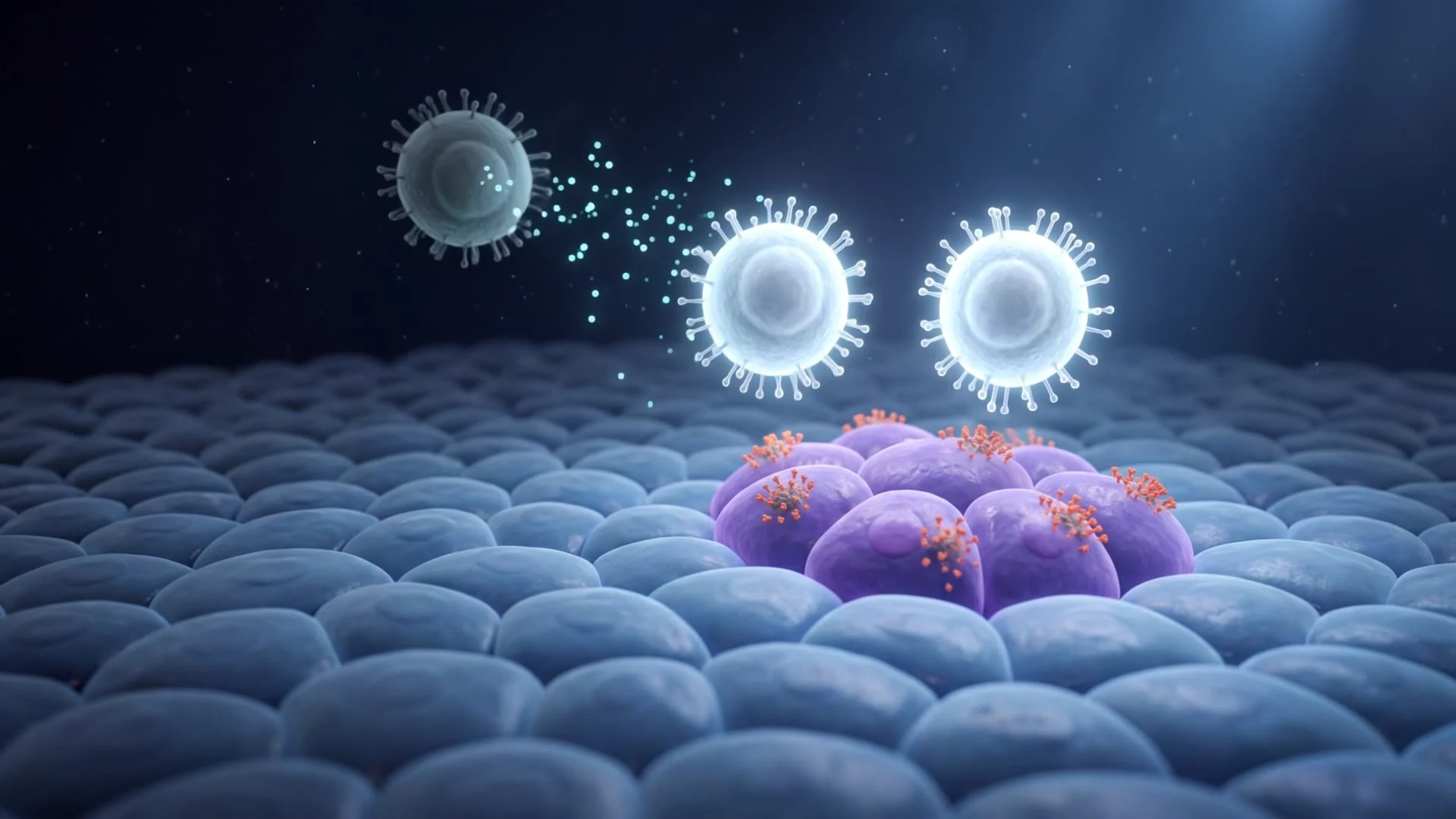
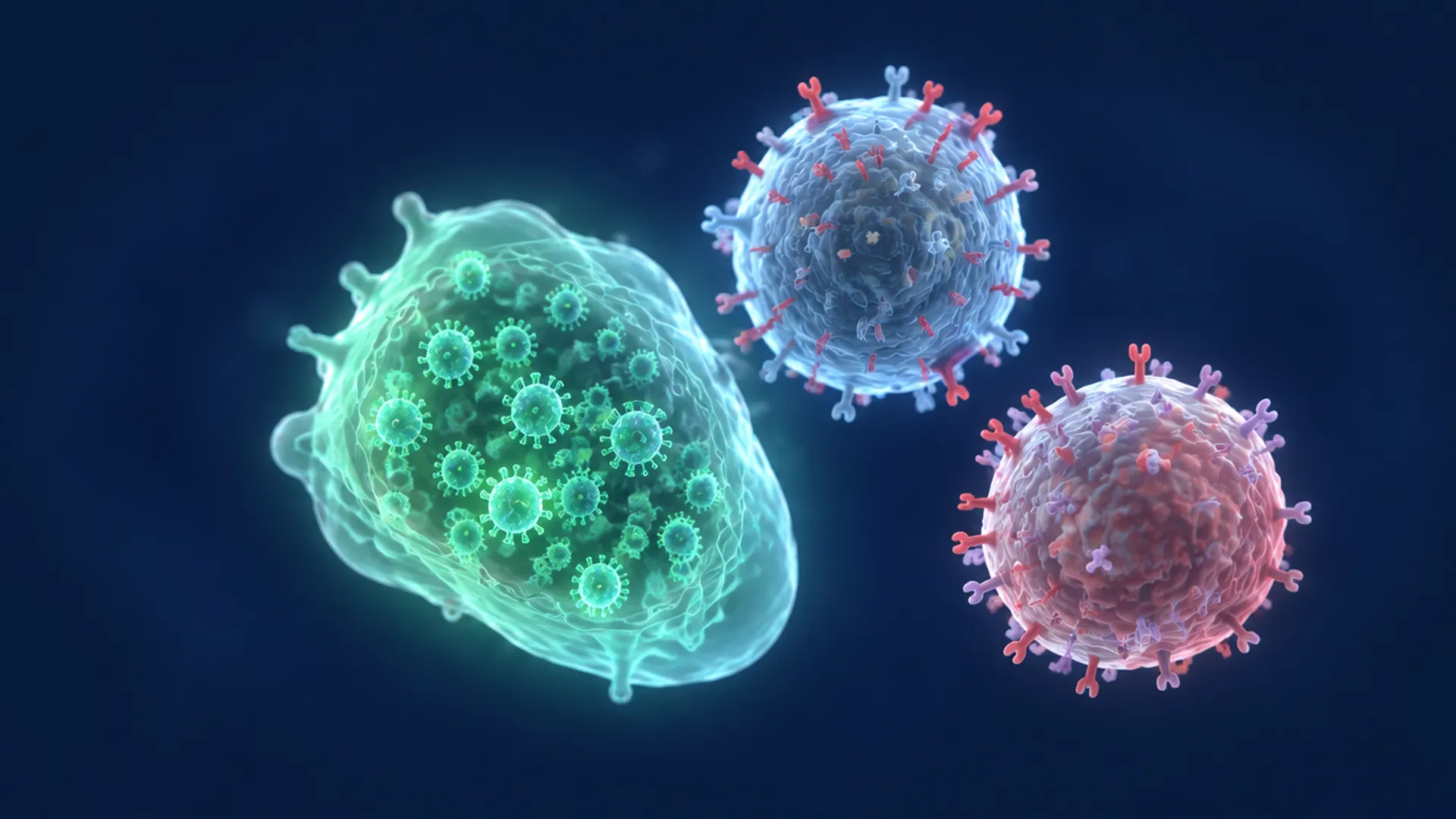
CD8+ killer T cells identify and destroy only the cells carrying virus. Uninfected cells are left untouched. CD4+ helper T cells direct the response by releasing cytokines that recruit and activate the killer cells.
Scroll to walk through it, step by step
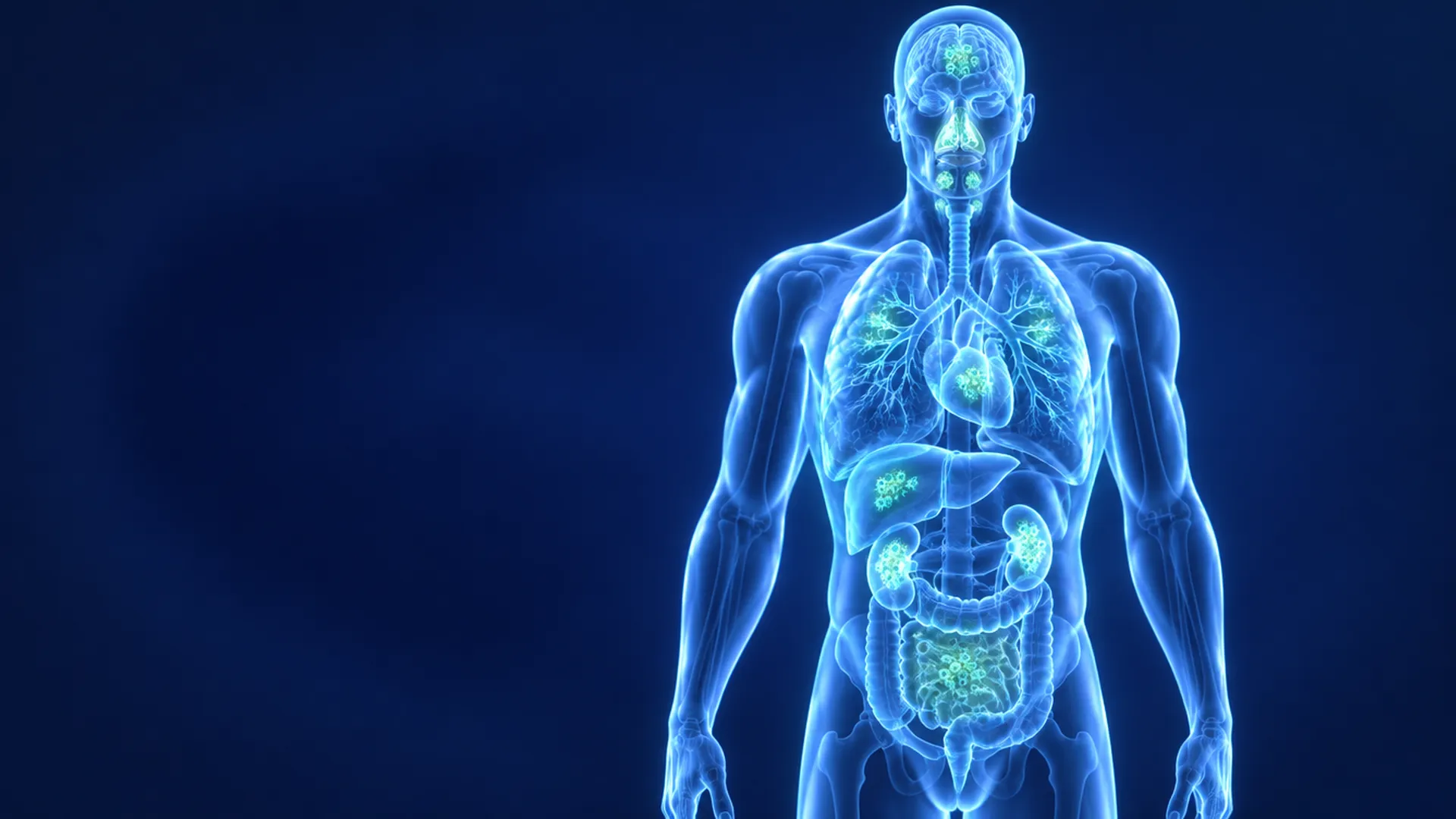
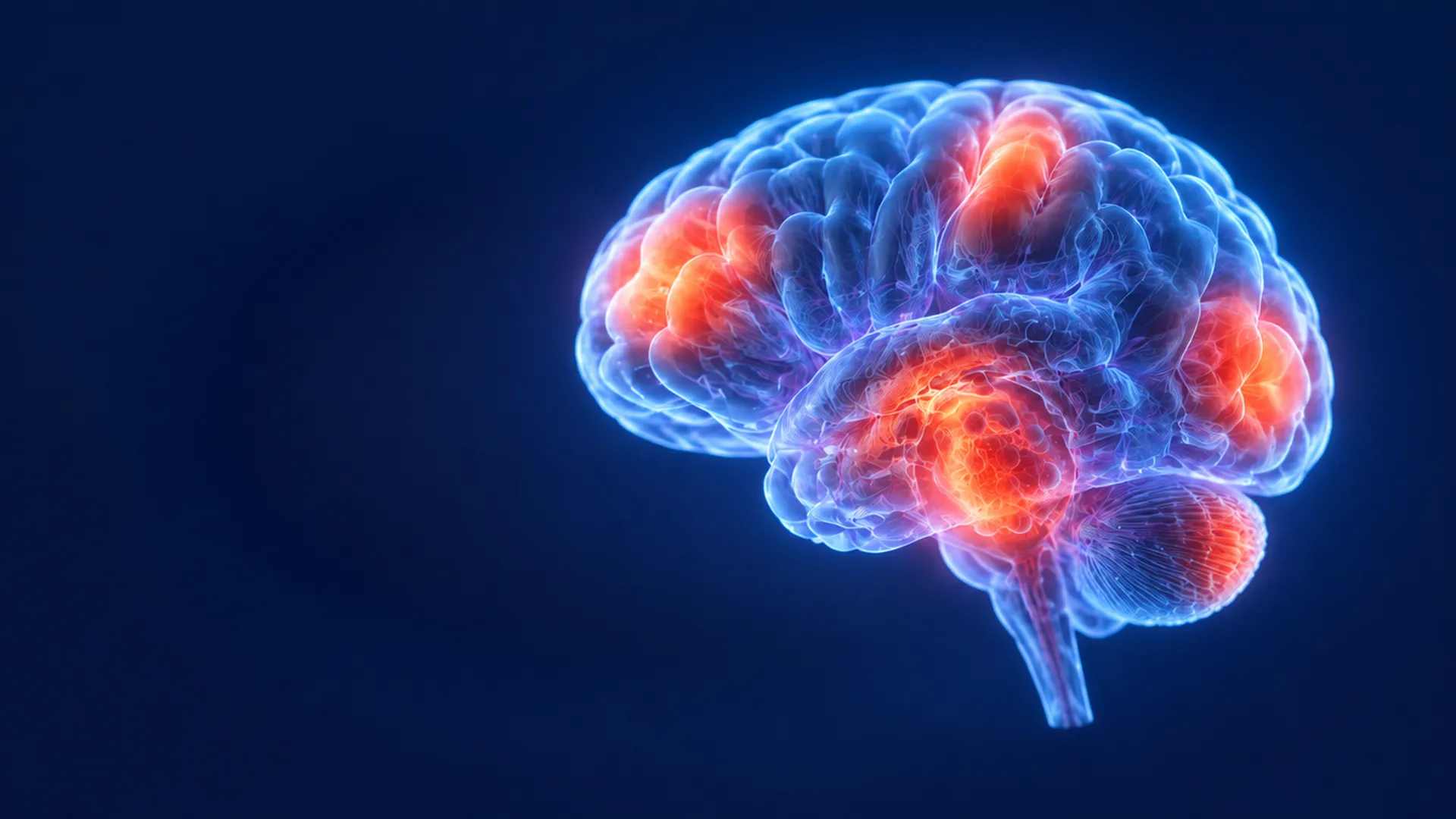
After the acute infection the virus does not fully clear. Fragments of viral RNA and protein have been found in tissue, blood and stool long after recovery, in eight sites: the olfactory mucosa, brain, tonsils, heart, lungs, liver, kidneys and gut.
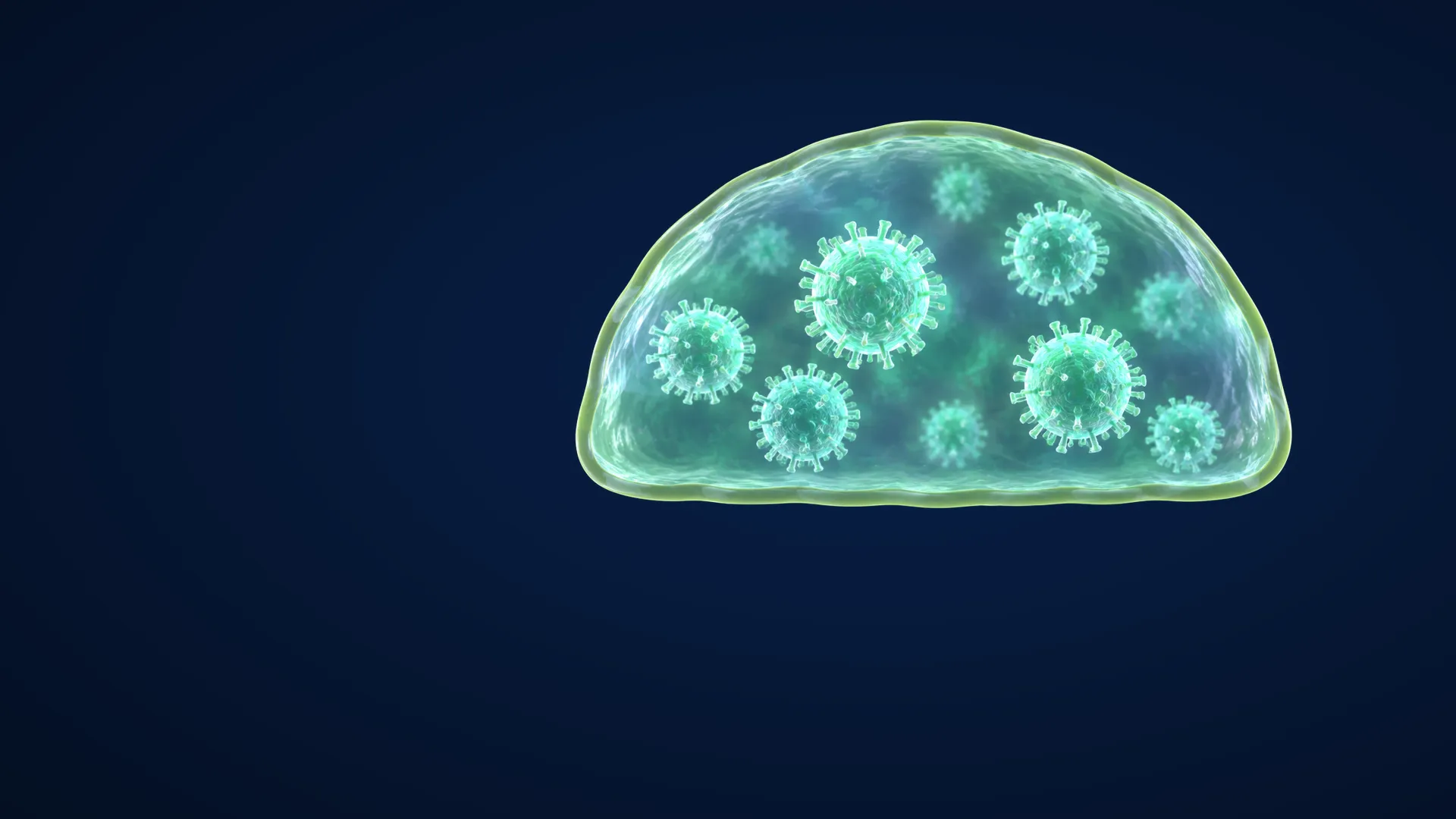
In those tissues, viral reservoirs remain and drive chronic inflammation.
The T cells meant to clear that virus become exhausted, so the reservoirs are not cleared. Both a CD8+ killer cell and a CD4+ helper cell are affected, and exhaustion shows on the cell surface as five markers rising.
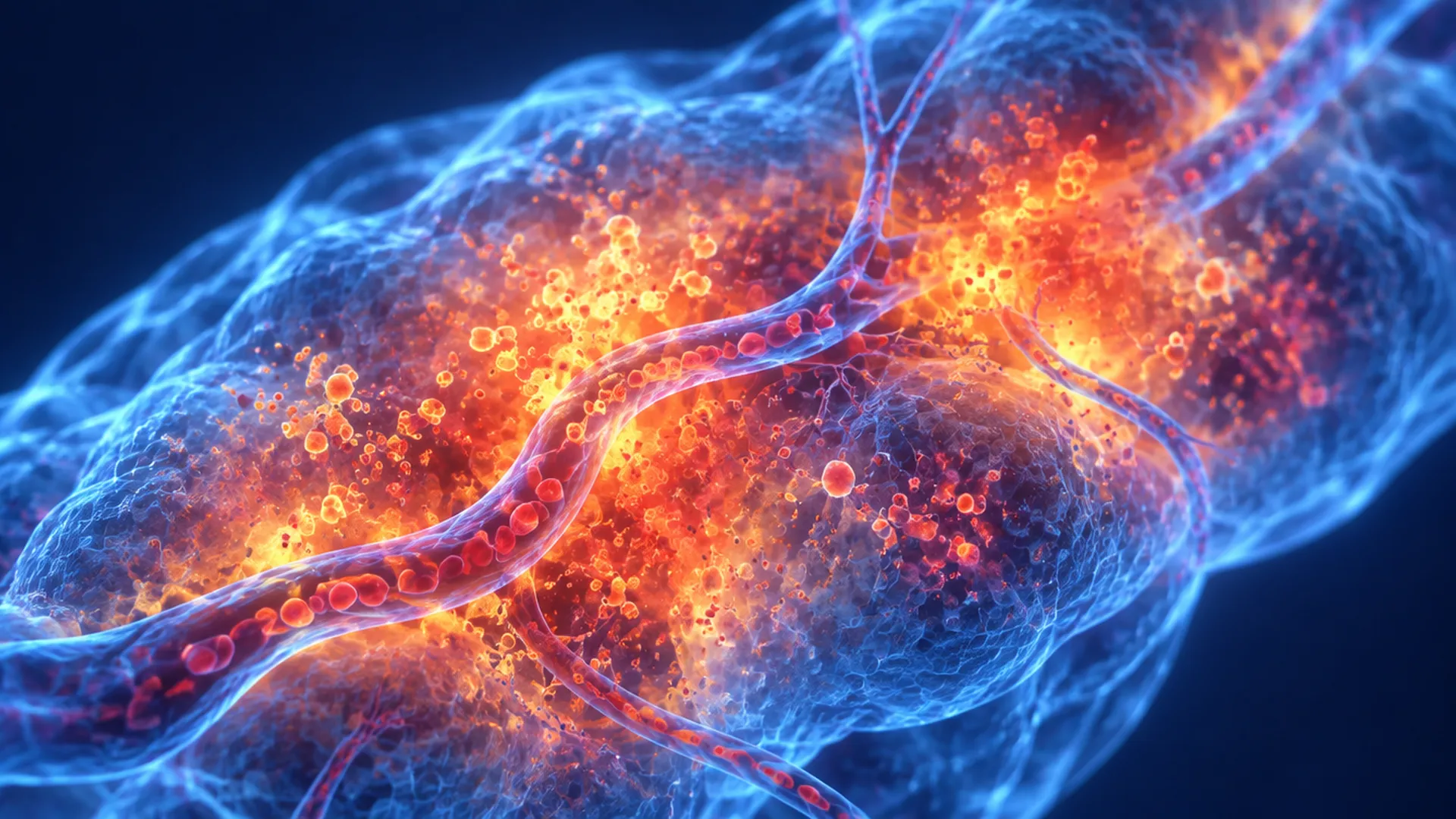
With the virus still present and the T cells worn down, the immune system stays chronically activated. That sustained activation produces inflammation and tissue dysfunction across organ systems.
That lasting inflammation reaches the brain, and the result is behavioral and cognitive disease. Patients report more than 200 distinct symptoms across as many as 12 organ systems.
TI-101 is aimed at the first two steps of this chain, the viral reservoir and the exhausted T cell response, rather than the symptoms at the end of it. TechImmune is advancing it through IND-enabling studies.
TI-101 is investigational and has not been tested in humans or approved by the FDA.
Since early 2020, the COVID-19 pandemic has had a profound impact on public health, economies, and quality of life worldwide. While vaccines and public health measures helped reduce the incidence and severity of acute infections, millions of individuals continue to suffer from Long COVID, a complex post-viral condition with persistent, debilitating symptoms. In the U.S. alone, 10-20 million people are affected, with 3-3.5 million projected to seek treatment for moderate to severe disease, creating a sustained and growing public health challenge.
Unlike acute COVID-19 infections, Long COVID cannot be fully addressed with current vaccines or existing antiviral therapies. TechImmune's next-generation T cell-based antiviral immunotherapy offers a novel approach, targeting the root cause by clearing persistent SARS-CoV-2 reservoirs and restoring functional anti-viral immunity in Long COVID patients. This approach has the potential to deliver a next-generation antiviral immune therapy as well as the first disease-modifying treatment for Long COVID, providing meaningful relief for patients and reducing the ongoing burden on healthcare systems.
While acute COVID-19 infections have been mitigated through vaccines and public health measures, a growing population continues to suffer from Long COVID, a chronic, multi-system condition affecting millions worldwide. Current vaccines and antiviral therapies are insufficient to address the root cause of Long COVID, as they do not clear persistent SARS-CoV-2 reservoirs or restore functional T cell immunity.
The endemic nature of COVID-19 ensures that the need for effective, disease-modifying interventions will persist, creating a substantial opportunity for therapies that target the underlying viral triggers. TechImmune's T cell-based immunotherapy is designed to fill this unmet need by boosting protective T cell responses, offering the potential to be the first approved therapeutic treatment for Long COVID.
This shift is reflected in federal research priorities. In 2025, the U.S. Department of Defense began funding PROBE-PASC, a Long COVID clinical trial network built to test whether directly intervening against viral persistence and immune dysfunction changes the underlying disease, rather than simply easing symptoms. The initiative does not validate any specific therapy, but it reflects a broader shift toward treating viral persistence as a legitimate, addressable target, the same biological rationale behind TechImmune's approach.
For patients with Long COVID, vaccines and existing antiviral therapies do not address the underlying factors that result in chronic symptoms. This underscores the urgent need for therapies that go beyond existing approaches, targeting the root cause of disease and restoring functional immune responses.
TechImmune is developing a first-in-class T cell-based immunotherapy that focuses on conserved non-spike viral antigens, boosting protective T cell responses to clear persistent SARS-CoV-2 reservoirs. This approach addresses a critical unmet need, offering the potential to become the first disease-modifying treatment for Long COVID while serving a large and growing global patient population.
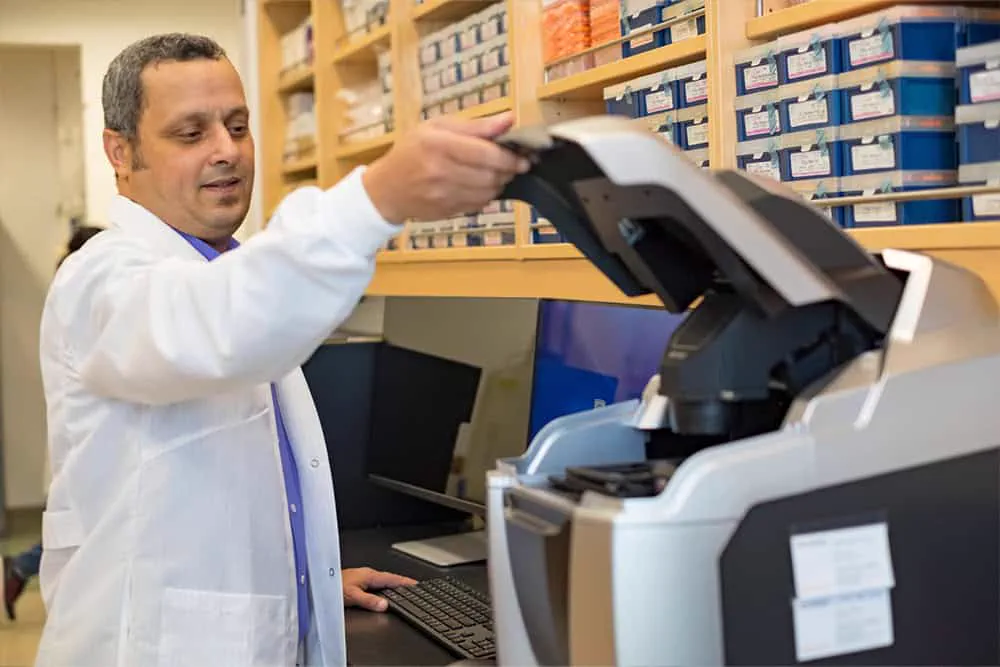
Dr. L'bachir BenMohamed
Inventor · Professor, UCI
TechImmune was formed in 2021 and is developing a treatment for Long COVID - a medically urgent condition affecting millions of Americans for which no FDA-approved therapies currently exist. Using technology invented by Dr. L'bachir BenMohamed, a professor at the University of California, Irvine, the project has been a joint UCI-TechImmune effort, with pre-clinical evaluation supportive of lead candidate elevation to development.
This collaboration has enabled TechImmune to translate a proven technology platform into a potential groundbreaking immunotherapy for a significant unmet medical need. TechImmune holds an exclusive license agreement that includes patents in the United States.
NIH / NIAID · SBIR Grant · February 2023
Universal Vaccine Against Multiple Coronavirus Variants of Concern
TechImmune, Inc. was awarded a Small Business Innovation Research (SBIR) grant from the U.S. National Institute of Allergy and Infectious Diseases (NIH) to develop a universal vaccine protecting against multiple coronavirus variants of concern.
Additional grants pending.
Interested in collaboration, licensing, or investment opportunities?
Contact Us